How to Warm Up a Gray Room: Fix a Cold, Flat Space Without Repainting Everything
How to warm up a gray room: add wood tones, layer cozy textures, switch to warm light bulbs, and bring in earthy accent colors so a cold gray space feels inviting instead of flat.
Room Reveal Team
June 28, 2026
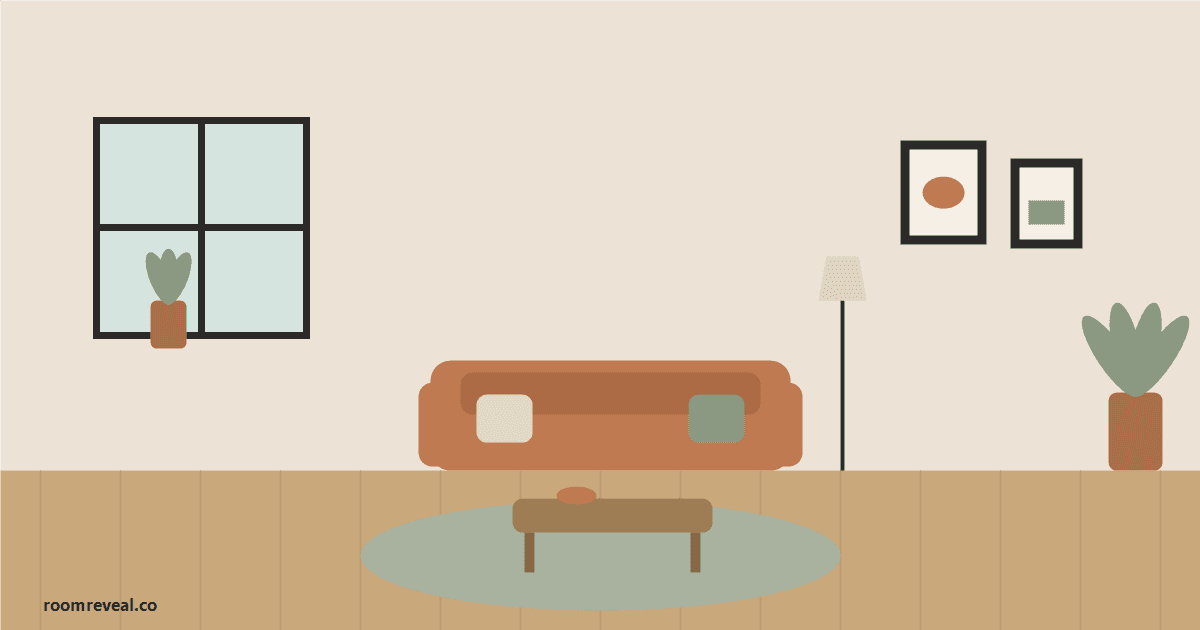
Gray had a long moment, and a lot of us painted into it -- walls, sofas, sectionals, rugs, even cabinets. Done well, gray is a sophisticated, flexible neutral. Done flat, a gray room feels cold, gloomy, and a little institutional, like a waiting room nobody decorated. The good news: a chilly gray room almost never needs to be repainted. The fix is layering in warmth -- wood, texture, light, and a few earthy colors -- so the gray becomes a calm backdrop instead of the whole story. Here is how to warm up a gray room without starting over.
Check Your Gray's Undertone First
Not all grays are the same, and the undertone is usually why a room feels cold. Grays lean either cool (blue, green, or violet undertones) or warm (a hint of beige, taupe, or brown -- sometimes called "greige"). A cool blue-gray under cool daylight is what reads icy. You can spot the undertone by holding a true white card against the wall: the gray will suddenly look slightly blue, green, or brown by comparison. You don't need to repaint -- but knowing your undertone tells you which warm colors will counteract it. A blue-gray warms up beautifully against terracotta, rust, and golden wood; a green-gray loves warm tans and brass. Work with the undertone instead of fighting it.
Bring In Wood Tones -- the Fastest Fix
Wood is the single most effective antidote to a cold gray room. Natural wood -- warm oak, walnut, teak, woven rattan and cane -- introduces warmth and organic life that gray lacks. If your room is gray-on-gray, swap a painted or metal coffee table for a wood one, add a wood console or open shelving, bring in a cane chair, or lay a jute rug. Mid-tone and warm woods do the most work; very pale or very cool-toned woods add less heat. Even small doses count: a wood tray, a bowl, picture frames, the legs of a chair. If you are mixing more than one wood, our guide to mixing wood tones keeps them looking intentional.
Layer Warm Textures
Cold rooms are usually smooth, hard, and flat -- a gray wall, a gray sofa, sleek surfaces. Texture is what makes a space feel warm and touchable. Pile on soft, tactile layers: a chunky knit throw, a nubby boucle pillow, a sheepskin, linen curtains, a high-pile or wool rug. Natural fibers (wool, jute, rattan, leather) read warmer than synthetics and slick finishes. The trick is contrast -- rough against smooth, matte against the room's harder surfaces -- which adds the depth a flat gray room is missing. Our guide to adding texture covers how to layer it without overdoing it.
Swap Cool Bulbs for Warm Light
This one is nearly free and makes an immediate difference. Cool, bluish bulbs (in the 4000K-plus range) make gray look like cold concrete; warm bulbs (around 2700K) cast a golden glow that instantly softens the same wall. Check the color temperature on your bulbs and switch any cool ones to "soft white" or "warm white." Then layer the light: ditch reliance on a single cold overhead and add table and floor lamps at eye level so the room glows from several low, warm sources instead of one flat ceiling fixture. Put them on dimmers if you can. A gray room under warm, layered light is a completely different space than the same room under one blue-white bulb -- see our guide to layering lighting.
Add Earthy, Warm Accent Colors
Gray is the perfect neutral backdrop for warm color, so give it some. Bring in accents from the warm side of the wheel -- terracotta, rust, ochre, mustard, caramel, warm cream, blush, olive, and warm woods -- through pillows, throws, art, a rug, and ceramics. Even a small amount of a warm color reads as heat against a gray field. Avoid answering a cold gray with more cool color (icy blues, stark whites, cold silver), which only doubles down on the chill. Repeat each warm accent in two or three spots so it threads through the room rather than sitting in one lonely pillow. For building a full palette around your gray, see our color scheme guide.
Warm Up the Metals and Add Life
Cold metals reinforce a cold room. Chrome, polished nickel, and stainless read crisp and cool; brass, gold, bronze, and copper read warm. Swapping a few accents -- a lamp base, a frame, drawer pulls, a side table -- from cool to warm metal nudges the whole room toward cozy. Finally, add living things: real or good faux greenery brings organic warmth and softens hard gray lines, and a few personal objects (books, a basket, ceramics) make the room feel lived-in rather than staged. A gray room without any life in it is a big reason it can feel cold and unfinished.
If the Gray Itself Is the Problem
Layering warmth fixes most cold gray rooms. But if you have tried wood, texture, warm light, and earthy accents and it still feels icy, the paint undertone may be too cool to rescue -- a strongly blue-gray in a north-facing room with little warm light is the hardest case. Before repainting the whole room, try a warmer "greige" on a single wall, or test it in the room's actual light first; a color that looks warm on a chip can still read cold on the wall. Our guide to visualizing paint colors before you paint helps you avoid repainting twice.
Common Cold-Gray-Room Mistakes
- Answering cold with cold. Icy blue and stark white accents on gray double the chill. Pull warm colors instead.
- Cool light bulbs. Blue-white bulbs make gray look like concrete. Switch to 2700K warm white.
- All hard, smooth surfaces. A flat gray room needs tactile texture -- knits, wool, wood, leather.
- No wood anywhere. Gray-on-gray with metal and glass stays cold. Add warm wood tones.
- One overhead light. It flattens the room. Layer warm lamps at eye level.
- No life. A gray room with nothing living or personal in it feels like a showroom. Add greenery and warmth.
See Your Warmed-Up Gray Room Before You Buy
The hard part of warming a gray room is picturing whether wood tones, warm accents, and softer light will actually fix it before you spend on a new rug or repaint. Upload a photo of your room and preview warmer palettes, materials, and pieces in your real space with Room Reveal first. For inspiration on gray-friendly rooms that still feel warm, browse Scandinavian living room ideas, where pale grays sit beside warm wood and wool, and transitional living room ideas, which balance cool neutrals with warm layers. And for more on warmth specifically, pair this with our guides to making a room feel cozy and adding texture to a room.
Ready to transform your room?
Upload a photo and see it redesigned in any of our 12 styles.
Try Room RevealLooking for inspiration? Browse style-by-room ideas with tips, palettes, and looks to try in your own space.
Explore room ideas