How to Make a Room Feel Cozy: Light, Warmth, and Layers That Actually Work
How to make any room feel cozy: the layered lighting, warm palette, soft textures, and furniture arrangement that turn a cold, empty-feeling space into one you never want to leave.
Room Reveal Team
June 26, 2026
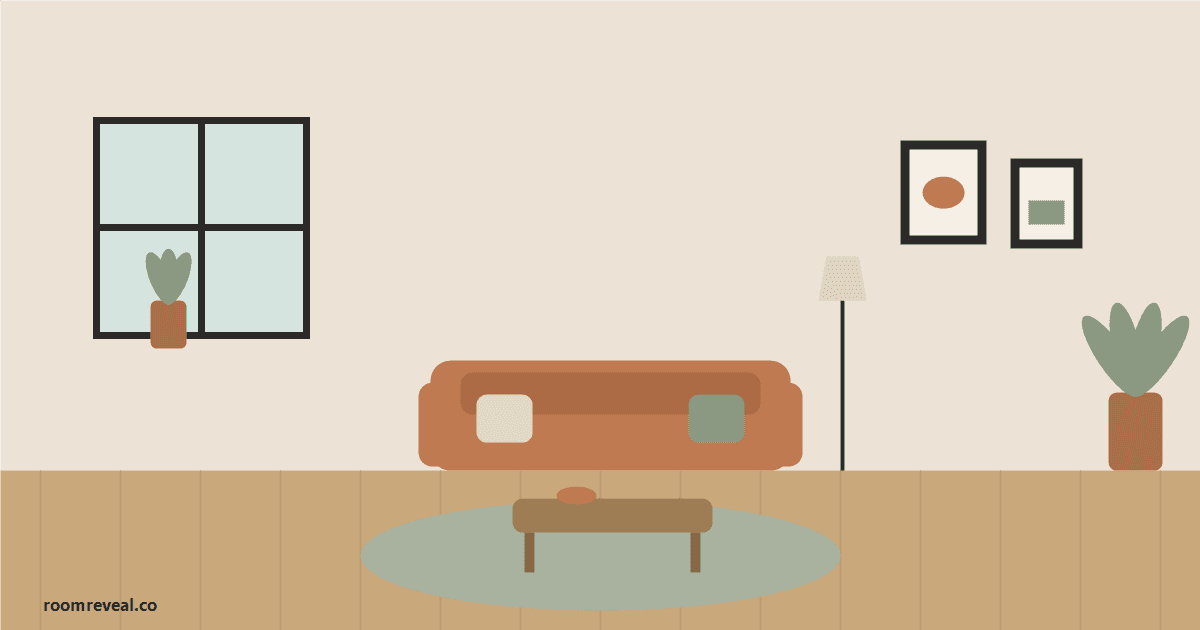
Some rooms make you want to kick off your shoes and stay; others feel like a waiting area you happen to own. The difference is rarely the size of the room or the budget behind it. Cozy is not a style or a price point -- it is a set of sensory decisions about light, color, texture, and how a space wraps around you. A small, sparse rental can feel warmer than a large, expensively furnished living room if the small one gets these decisions right. The good news is that "cozy" is buildable on purpose. Below are the levers that actually move a room from cold to inviting, in roughly the order of impact, so you can start with the change that matters most.
Start With the Light -- It Matters More Than Anything
Nothing kills coziness faster than a single bright ceiling fixture flooding the room from above. That flat overhead glare is the lighting of offices and waiting rooms, and your brain reads it that way. The fix is the highest-leverage change you can make: turn off the "big light" and replace it with several small, low pools of warm light spread around the room.
- Add lamps at different heights. A floor lamp in a corner, a table lamp beside the sofa, a small lamp on a shelf -- three or four warm light sources at eye level and below instantly make a room feel layered and intimate. (Our full guide to layering lighting covers the ambient/task/accent system in depth.)
- Go warm, not white. Swap cool daylight bulbs for warm ones in the 2700K range. That amber, candle-adjacent glow is the single biggest contributor to a cozy feeling -- the same room can feel clinical or snug depending only on bulb color temperature.
- Put it on dimmers. Being able to drop the light in the evening is what lets a room shift from functional to restful. Plug-in dimmers and smart bulbs make this a five-minute upgrade with no electrician.
- Add real flame or its stand-in. Candles, a fireplace, or even flameless candles add flicker and a low warm glow that nothing else replicates.
Warm Up the Color Palette
Cool, stark palettes -- bright whites, grays, cold blues -- read as crisp and modern but rarely as cozy. Warmth comes from colors with warm undertones and from depth. You do not have to repaint everything; you have to nudge the room toward warmth.
- Lean into earthy, warm neutrals. Creamy whites, warm beiges, soft taupes, and greige feel enveloping where bright white feels exposed. If your walls are a cold white, even switching trim and textiles toward warm tones helps.
- Introduce deep, saturated accents. Terracotta, rust, ochre, olive, caramel, and warm browns are the colors of firelight and autumn -- they make a space feel grounded. Add them through pillows, throws, art, and a rug rather than committing a whole wall.
- Consider going darker, not lighter. A common myth is that light colors make a room feel open and therefore better. But a deep, moody wall color can make a room feel like a cocoon -- especially in a bedroom, den, or reading nook where intimacy beats airiness. (See how to choose a color scheme for building a warm palette that flows.)
Layer Soft Textures Everywhere
Coziness is tactile. A room full of hard, smooth surfaces -- glass, metal, bare floors, leather, painted walls -- looks sleek but feels cold, literally and visually. The cure is layering soft, touchable materials until the room invites contact.
- Start with the big soft surfaces. An area rug underfoot (the bigger the better) and curtains framing the windows soften a room more than any number of small accessories. Bare floors and bare windows are the two biggest sources of an "unfinished, cold" feeling.
- Pile on throws and pillows. A chunky knit blanket over the arm of the sofa, a couple of textured pillows in different weaves -- linen, boucle, velvet, wool -- signal comfort instantly. Mixing textures matters more than matching colors.
- Mix rough with smooth. A jute rug under a velvet sofa, a smooth ceramic lamp on a rough wood table -- contrast is what makes texture register. (Our guide to adding texture breaks down how to layer materials so a neutral room still feels rich.)
- Add natural materials. Wood, rattan, wool, clay, and stone bring warmth that synthetic, glossy surfaces never do. A single woven basket or wood bowl warms a corner.
Arrange Furniture to Pull People Together
A room where the seating is pushed flat against the walls feels like a gymnasium no matter how nice the furniture is. Cozy rooms feel gathered -- the furniture talks to itself.
- Float the seating inward. Pull the sofa and chairs away from the walls and angle them toward each other around a clear focal point. Conversation distance -- close enough to talk without raising your voice -- is what makes a seating group feel intimate.
- Define the zone with a rug. A rug large enough to sit under the front legs of the seating visually corrals the group into one cozy island, even in an open-plan space.
- Create a single inviting spot. Even in a big or awkward room, one well-made reading nook -- a comfortable chair, a lamp, a side table, a throw -- gives the eye and the body a clear "come sit here." (For the full method, see how to arrange furniture in any room.)
Add Life, Scent, and Personal Touches
The last layer is what turns a well-decorated room into one that feels lived in and loved. Greenery -- a few plants or even branches in a vase -- brings life and softens hard edges. A stack of real books, a few framed photos, and objects with a story make a room feel like it belongs to someone rather than to a catalog. And do not overlook scent and sound: a candle, fresh coffee, or a quietly playing record engages senses that pure visuals cannot, and they are a huge part of why a space feels welcoming.
Common Mistakes That Keep a Room Cold
- Relying on the overhead light. The number-one coziness killer. If you change only one thing, add lamps and warm bulbs.
- Too much empty space. Sparse, minimalist rooms can read as unfinished and cold. Cozy rooms are layered and a little fuller -- they reward the eye with things to land on.
- All hard surfaces. A room with no rug, no curtains, and no soft textiles will always feel like a lobby. Soften it.
- Cool, bright color everywhere. Stark white and cool gray are hard to make cozy. Warm the palette through paint, textiles, or wood tones.
- Furniture shoved against the walls. Distance between seats feels formal and cold. Pull pieces in and turn them toward each other.
See It Cozy Before You Commit
The tricky part of making a room cozy is that the changes compound -- warmer paint, a bigger rug, lamplight, and layered textiles each help a little, but it is hard to picture all of them working together before you buy. Upload a photo of your room and try warmer palettes, soft layered textures, and snug furniture arrangements with Room Reveal to see the cozy version of your space before you spend a dollar. For inspiration, browse our Scandinavian living room ideas (hygge done right) and bohemian bedroom ideas, then pull it together with our guides on layering lighting and adding texture.
Ready to transform your room?
Upload a photo and see it redesigned in any of our 12 styles.
Try Room RevealLooking for inspiration? Browse style-by-room ideas with tips, palettes, and looks to try in your own space.
Explore room ideas