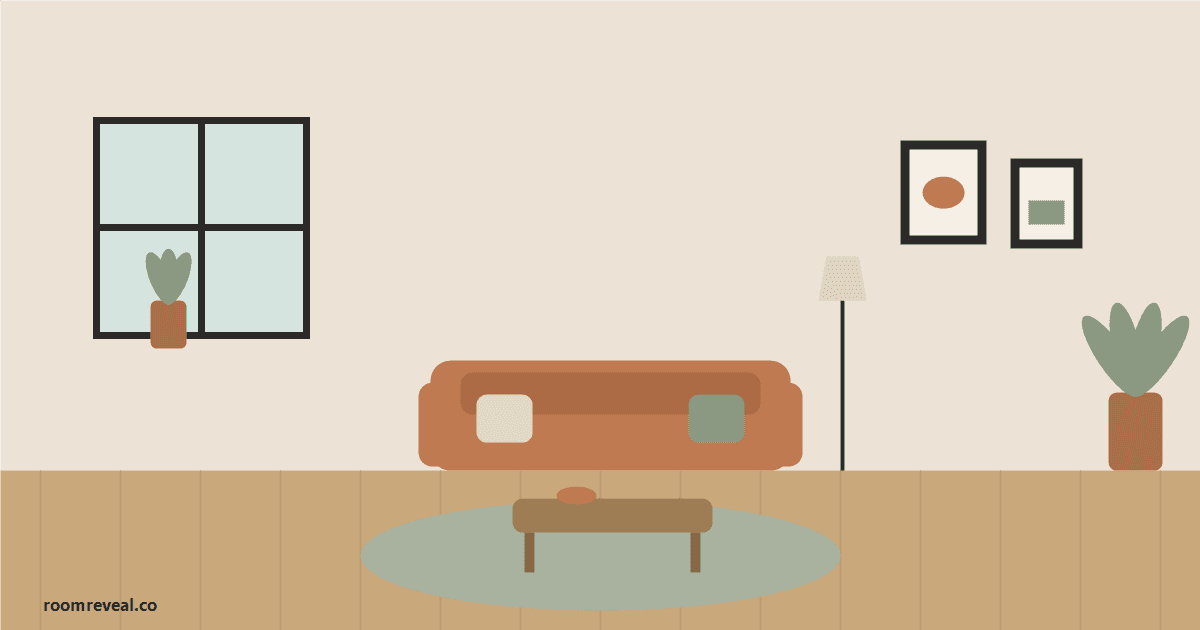
What defines a transitional living room
- •Comfortable, classically shaped upholstery with simple, uncluttered silhouettes
- •A calm neutral palette built from tone and texture rather than bold color
- •A balanced mix of traditional warmth and clean contemporary lines
- •Curated, symmetrical accessorizing — refined and restrained, never fussy
Transitional Living Roomideas & tips
- Anchor the room with a comfortable neutral sofa in a classic but clean-lined shape.
- Pair it with a simple wood or stone coffee table to bridge old and new.
- Layer neutrals through texture — a wool rug, linen drapes, a chunky throw — so it reads rich, not flat.
- Add gentle symmetry: matching lamps or a pair of chairs flanking the sofa.
- Bring in warmth with wood tones and one or two antique or vintage pieces.
- Keep accessories curated — group a few quality objects instead of many small ones.
Color palette
Soft white, greige, and warm taupe layered by texture, grounded by wood and one quiet muted accent.
Mistakes to avoid
- ×Tipping too traditional with heavy ornate detail, or too plain so it loses all warmth.
- ×An all-one-tone neutral scheme with no texture or wood to give it depth.
- ×Over-accessorizing; transitional stays calm and edited, not crowded.
Try a transitional look in your living room
Upload a photo and see your space restyled in seconds — before you spend a dollar on furniture.
Transform My RoomFrequently asked questions
What is a transitional living room?
A living room that blends traditional comfort and warmth with clean, contemporary simplicity — classic-but-simple seating, layered neutrals, and a balanced, edited look that feels timeless rather than trendy.
What is the difference between transitional and modern living rooms?
Modern leans minimal, low-profile, and almost architectural. Transitional keeps softer, more classic comfortable furniture and layered neutral textures, so it reads warmer and more familiar while still feeling clean.
What colors work in a transitional living room?
A soft neutral base — white, greige, and warm taupe — layered through texture, with wood tones and at most one quiet muted accent like sage, navy, or dusty blue.
Why is transitional style so popular?
It balances comfort and cleanliness, sidesteps trend extremes, and appeals to almost everyone — which makes it both relaxing to live in and a safe, lasting choice.