How to Decorate With Plants: Where to Put Them, How to Group Them, and Which to Choose
How to decorate with plants: where to place them, how to group and vary heights, choosing pots that match your style, and the easy plants that survive low light -- so greenery looks designed, not random.
Room Reveal Team
June 26, 2026
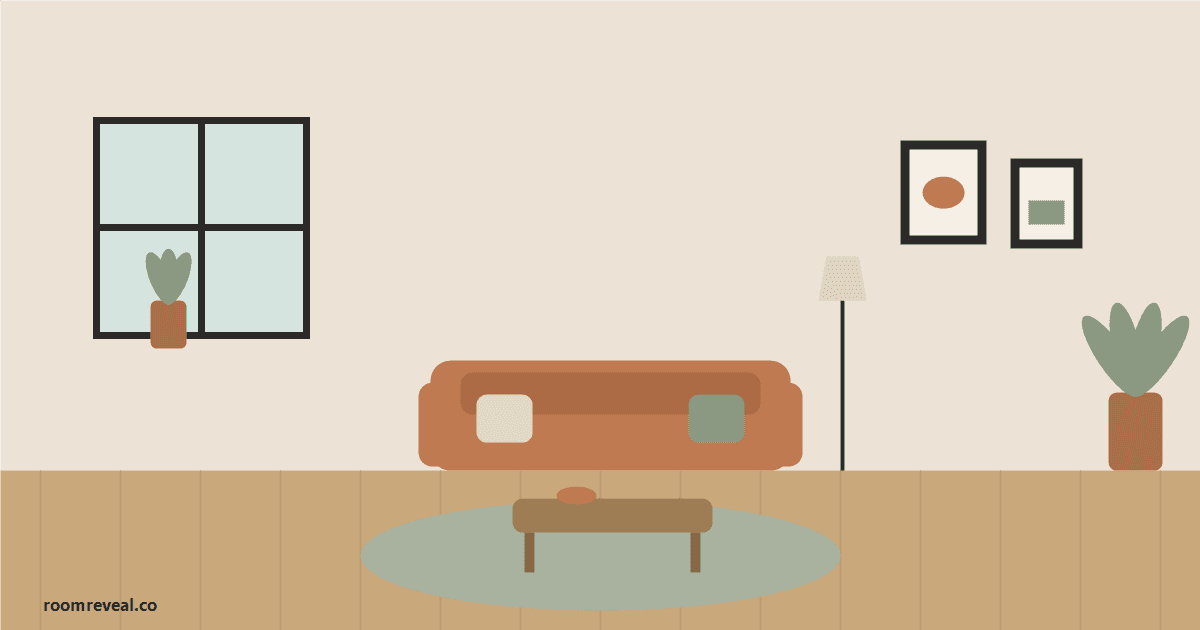
Plants are the fastest way to make a room feel alive, finished, and a little more expensive than it is. A single leafy corner can soften hard architecture, fill an awkward empty spot, and add the one thing most rooms are missing: something that moves, grows, and changes. But there is a difference between a home that feels lush and intentional and one where a few sad pots sit scattered on windowsills. The gap is not a green thumb -- it is placement, grouping, and scale, the same design thinking you would apply to art or furniture. Here is how to decorate with plants so the greenery reads as designed, plus the practical side: which pots to choose and which plants actually survive the spot you have in mind.
Think of Plants as Decor, Not Just Greenery
The single biggest shift is to stop treating plants as an afterthought you tuck wherever there is room and start treating them as decorative objects with shape, height, and weight. A tall plant works like a piece of sculpture or a floor lamp -- it fills vertical space and draws the eye up. A trailing plant on a shelf behaves like draped fabric, softening a hard edge. A cluster of small pots reads as a styled vignette. Once you see plants this way, the rules of good decorating apply: vary the height, use odd numbers, and give each piece a job in the room rather than dotting them around evenly.
Where to Put Plants for the Most Impact
A few locations earn their keep more than others. Start with these high-impact spots before scattering small pots around:
- An empty floor corner. A tall floor plant -- a fiddle-leaf fig, a bird of paradise, a kentia palm, or a tall dracaena -- is the best fix for the dead corner that furniture cannot reach. It fills vertical space and grounds the room the way a piece of large art does on a wall.
- Beside or behind a sofa or bed. A leafy plant rising next to a low piece of furniture adds the height that seating areas usually lack and frames the arrangement.
- On a shelf or mantel, trailing down. A pothos, philodendron, or string-of-hearts spilling off a high shelf adds movement and breaks up rigid horizontal lines. (For the whole composition, see our guide to styling a bookshelf.)
- On a windowsill or plant stand in good light. Group sun-lovers where the light actually is, and raise them on a stand or stool so they read as intentional rather than parked.
- Flanking something architectural. A matched pair on either side of a doorway, fireplace, or console brings instant symmetry and a polished, grown-up look.
Group in Odd Numbers and Vary the Height
One plant alone often looks lonely; three of different sizes look styled. The most reliable trick in plant decor is the cluster: gather an odd number -- three or five -- and vary their heights so the grouping forms a gentle triangle rather than a flat row. Combine a tall plant, a medium bushy one, and a low trailing or compact plant, ideally with different leaf shapes for contrast (think a spiky snake plant next to a round-leafed rubber plant next to a feathery fern). Plant stands, stacked books, and stools let you stage heights even when the plants themselves are similar. This is the same triangle-and-rule-of-three thinking that makes a coffee-table vignette work -- plants just bring it to life.
Choose Pots That Match Your Style
The pot does as much decorating work as the plant. A beautiful plant in a flimsy plastic nursery pot still looks unfinished; the same plant in the right vessel finishes the room. Two guidelines:
- Coordinate, do not perfectly match. Pots in a shared material or color family -- all terracotta, all woven baskets, all matte ceramic in muted tones -- tie a plant collection together even when the plants differ. A jumble of clashing pots makes a room feel busy; a coordinated set makes it feel curated.
- Let the pot echo your style. Woven seagrass baskets and raw terracotta suit bohemian and coastal rooms; clean matte ceramics in white, black, or sage suit Scandinavian and modern spaces; aged stone, glazed, and brass planters suit traditional and Mediterranean rooms.
A practical tip: keep the plant in its plastic nursery pot and drop it inside a slightly larger decorative cachepot. You get the look you want, watering and repotting stay easy, and you can swap the outer vessel as your style evolves.
Match the Plant to the Light You Actually Have
The fastest way to kill the look -- and the plant -- is to choose for the photo instead of for the conditions. Before buying, watch the spot for a day: is it bright with direct sun, bright but indirect, or genuinely low light? Then choose accordingly:
- Low light, easy care: snake plant, ZZ plant, pothos, cast-iron plant, and Chinese evergreen tolerate dim corners and irregular watering -- the workhorses for north-facing rooms and beginners.
- Bright, indirect light: monstera, rubber plant, philodendron, pothos, and most ferns thrive a few feet from a sunny window.
- Lots of direct sun: succulents, cacti, jade, and a fiddle-leaf fig (with acclimation) want the brightest spots.
- No interest in maintenance: high-quality faux plants have come a long way. Used in a real-looking pot and mixed with one or two live plants, they fill a dark corner where nothing living would survive -- no shame in it.
Don't Forget Scale
Scale separates a styled room from a cluttered one. A big room can swallow a tiny tabletop succulent; a small shelf gets overwhelmed by a sprawling monstera. Match the plant's mature size to the space it lives in -- one large, well-placed plant almost always looks better than a dozen tiny ones spread thin. When in doubt, go bigger and fewer. A single dramatic floor plant in a great pot reads as a design choice; a scatter of little pots reads as leftovers.
Common Plant-Decor Mistakes
- Spacing them out evenly. One plant per surface, dotted around the room, looks random. Cluster them in a few intentional moments instead.
- Leaving them in nursery pots. The black plastic pot undoes the whole effect. Always pot up or use a cachepot.
- Ignoring light. A sun-lover in a dark corner yellows and drops leaves within weeks -- decorate for the conditions you have.
- All the same height. A row of identical plants is monotonous. Vary heights and leaf shapes for a living, layered look.
- Too small for the room. Under-scaled plants disappear. Let at least one plant be genuinely large.
See the Greenery in Your Room First
It is hard to picture how a tall plant in the corner or a cluster on the shelf will change a room until it is there -- and plants, pots, and stands add up. Upload a photo of your space and try greenery, pots, and plant placements with Room Reveal to see where plants make the biggest difference before you buy a single one. For more on building a warm, layered space around them, see our guides to adding texture to a room and making a room feel cozy, and browse our Scandinavian living room ideas and bohemian living room ideas for plant-forward inspiration.
Ready to transform your room?
Upload a photo and see it redesigned in any of our 12 styles.
Try Room RevealLooking for inspiration? Browse style-by-room ideas with tips, palettes, and looks to try in your own space.
Explore room ideas