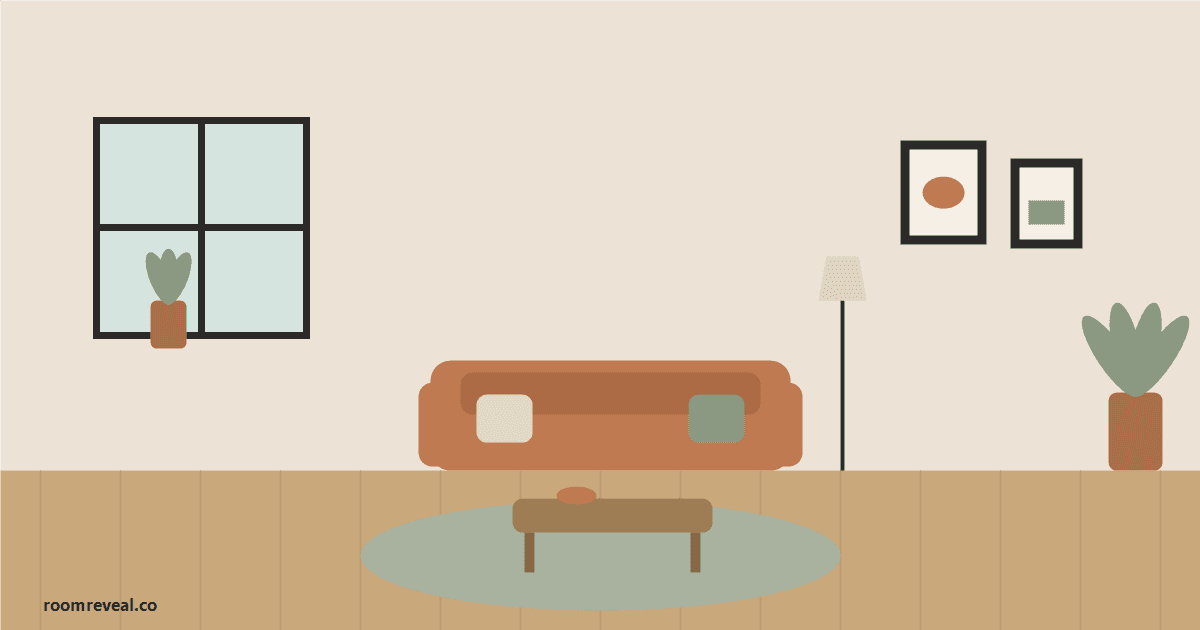
What defines a mid-century modern basement
- •Warm walnut or teak tones paired with tapered, splayed legs that lift furniture off the floor
- •Organic curves and a low-slung profile that suit a lower ceiling
- •A confident retro accent — mustard, burnt orange, teal, or olive
- •Globe and sputnik lighting plus a graphic geometric rug
Mid-Century Modern Basementideas & tips
- Choose a low, leggy sofa in a warm tone so the floor reads as open and the ceiling feels higher.
- Build a built-in bar or credenza in walnut to anchor a cocktail-lounge zone.
- Hang a sputnik or globe fixture to add period character and spread light evenly.
- Ground the lounge on a bold geometric rug and repeat its accent color in a chair or pillows.
- Keep walls a warm white so the wood tones and retro colors read as intentional, not muddy.
Color palette
Warm white and tan with walnut and teak, lifted by a single retro accent like mustard, teal, or burnt orange.
Mistakes to avoid
- ×Heavy, floor-hugging furniture that crowds a low basement instead of floating above it.
- ×Cool grey everywhere, which drains the warmth that defines the mid-century look.
- ×Skipping the lighting layers — one fixture leaves the retro palette looking flat and dim.
Try a mid-century modern look in your basement
Upload a photo and see your space restyled in seconds — before you spend a dollar on furniture.
Transform My RoomFrequently asked questions
How do I get a mid-century basement look on a budget?
Hunt thrift stores and marketplace listings for genuine teak credenzas, leggy chairs, and sputnik-style fixtures — the era is common secondhand. A warm-white paint job, one bold rug, and a couple of authentic finds carry the whole look for very little.
Does mid-century modern work in a low-ceiling basement?
It is one of the best styles for it. The raised, tapered-leg furniture keeps the floor visible and the room feeling open, and the era's low-slung proportions were designed for human-scaled spaces rather than soaring ceilings.
What colors define a mid-century basement?
A warm neutral base of white, tan, and wood, accented by one saturated period color — mustard yellow, burnt orange, teal, or olive green — used in a rug, a chair, or art rather than across every surface.