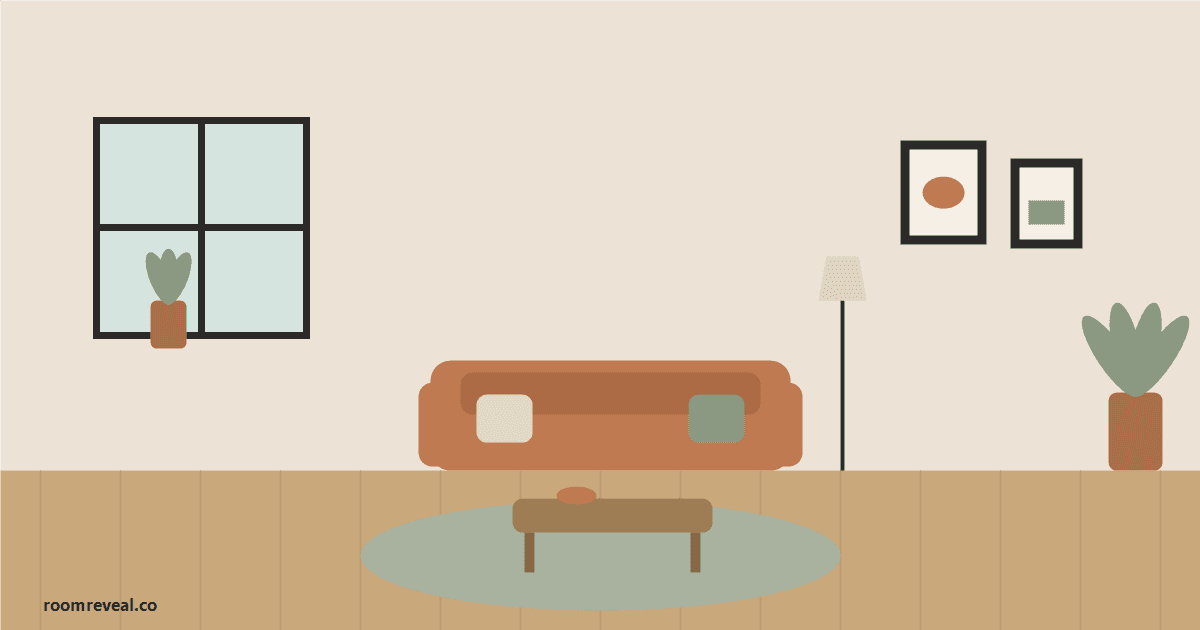
What defines a japandi nursery
- •A pared-back, intentional layout where every piece has a purpose
- •Natural materials — light and mid-tone wood, rattan, linen, organic cotton
- •A warm, muted palette: oatmeal, clay, sage, soft black used sparingly
- •Handmade, tactile details over plastic, branding, or bright primary colors
Japandi Nurseryideas & tips
- Choose a simple solid-wood crib in a natural or low-sheen finish and let it set the calm tone.
- Keep the palette to warm neutrals plus one muted earth tone like sage or clay.
- Layer natural textures — a wool or jute rug, linen crib skirt, a rattan basket — for quiet depth.
- Limit what is on display: closed storage hides the inevitable baby clutter so the room stays serene.
- Add one organic, handmade accent — a woven wall hanging, a wooden mobile, a ceramic lamp.
- Use soft, warm, diffused lighting for night feeds rather than a single bright overhead.
Color palette
Warm neutrals — oatmeal, sand, soft white — with light and mid wood tones and a muted accent of sage, clay, or charcoal.
Mistakes to avoid
- ×Adding too many bright primary-colored toys and prints that break the calm, muted palette.
- ×Going so minimal the room feels stark — japandi needs cozy natural texture to feel warm.
- ×Mixing in glossy plastic or heavily branded gear on open shelves; tuck it into closed storage.
Try a japandi look in your nursery
Upload a photo and see your space restyled in seconds — before you spend a dollar on furniture.
Transform My RoomFrequently asked questions
What is a japandi nursery?
It is a nursery that combines Japanese minimalism with Scandinavian coziness: natural wood and fibers, a warm muted palette, handmade tactile details, and a deliberately uncluttered layout. The goal is a calm, grounding space rather than a bright, busy one.
What colors work in a japandi nursery?
Warm neutrals like oatmeal, sand, and soft white form the base, paired with light or mid wood tones. Add depth with one muted earth accent — sage green, clay, terracotta, or a touch of soft charcoal — kept gentle rather than bold.
Is a japandi nursery practical for a real baby?
Yes. The emphasis on closed storage and a few well-made pieces actually makes the room easier to keep tidy, and the timeless natural palette transitions smoothly from newborn to toddler with only small swaps.
How do I keep a minimalist japandi nursery from feeling cold?
Lean on natural texture and warm light: layer a wool rug, linen and cotton textiles, and rattan or wood accents, then use warm diffused lamps. Warmth in japandi comes from materials and lighting, not from adding more objects.