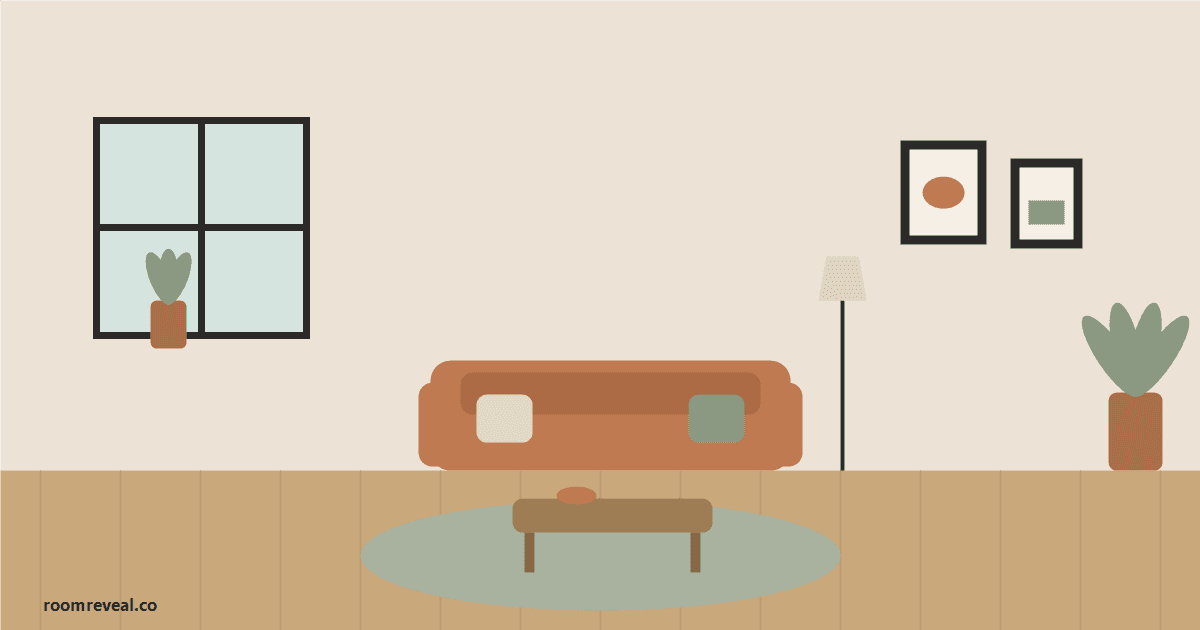
What defines a japandi entryway
- •Low, simple, handcrafted forms — a slatted bench or a low wood shoe cabinet
- •A warm but muted palette of soft neutrals, clay, and natural wood
- •Natural materials throughout: oak or ash, linen, paper, stoneware, and woven fibers
- •Deliberate negative space and minimal, purposeful objects — quality over quantity
Japandi Entrywayideas & tips
- Anchor with one low, well-made wood piece — a slatted bench or a clean-lined shoe cabinet — and let it set the tone.
- Keep the palette warm and muted: soft white or oatmeal walls with natural wood and one earthy accent like clay or charcoal.
- Build in a tidy spot to remove and store shoes — a tradition the style is built around — using a low cabinet or woven baskets.
- Choose a few natural-material objects with intention: a ceramic tray for keys, a linen-shaded sconce, a single branch in a stoneware vase.
- Embrace the empty space — leave surfaces and walls largely clear so the few pieces you keep can breathe.
- Light it softly and warmly with a paper or linen shade rather than a bright, cool overhead.
Color palette
Soft white, oatmeal, and warm greige with natural oak or ash and a muted earthy accent like clay or charcoal.
Mistakes to avoid
- ×Over-decorating — japandi depends on restraint, so a crowded entry breaks the calm immediately.
- ×Mixing in cool greys or high-gloss finishes that fight the style's warm, matte, natural character.
- ×Choosing tall, bulky, or ornate furniture instead of the low, simple, handcrafted forms the look relies on.
Try a japandi look in your entryway
Upload a photo and see your space restyled in seconds — before you spend a dollar on furniture.
Transform My RoomFrequently asked questions
What is a japandi entryway?
It is an entry that combines Japanese minimalism with Scandinavian warmth — low, handcrafted wood pieces, a warm muted palette, natural materials, and lots of intentional empty space. The feel is serene, ordered, and quietly welcoming.
How do I create a japandi entryway in a small space?
Choose one low, functional piece — a slim bench or a low shoe cabinet — keep the walls a warm soft neutral, and store everything out of sight. The minimal palette and clear surfaces make even a tight entry feel calm and larger than it is.
What colors define a japandi entryway?
Warm, muted neutrals — soft white, oatmeal, and greige — paired with natural oak or ash wood and one earthy accent such as clay, terracotta, or charcoal. The tones stay warm and matte rather than cool or glossy.
How is japandi different from minimalist or Scandinavian style?
Japandi shares minimalism's restraint and Scandinavian warmth, but adds the wabi-sabi appreciation for natural, handcrafted, slightly imperfect materials. Compared with a purely Scandinavian entry it is a touch darker, earthier, and more pared-back.