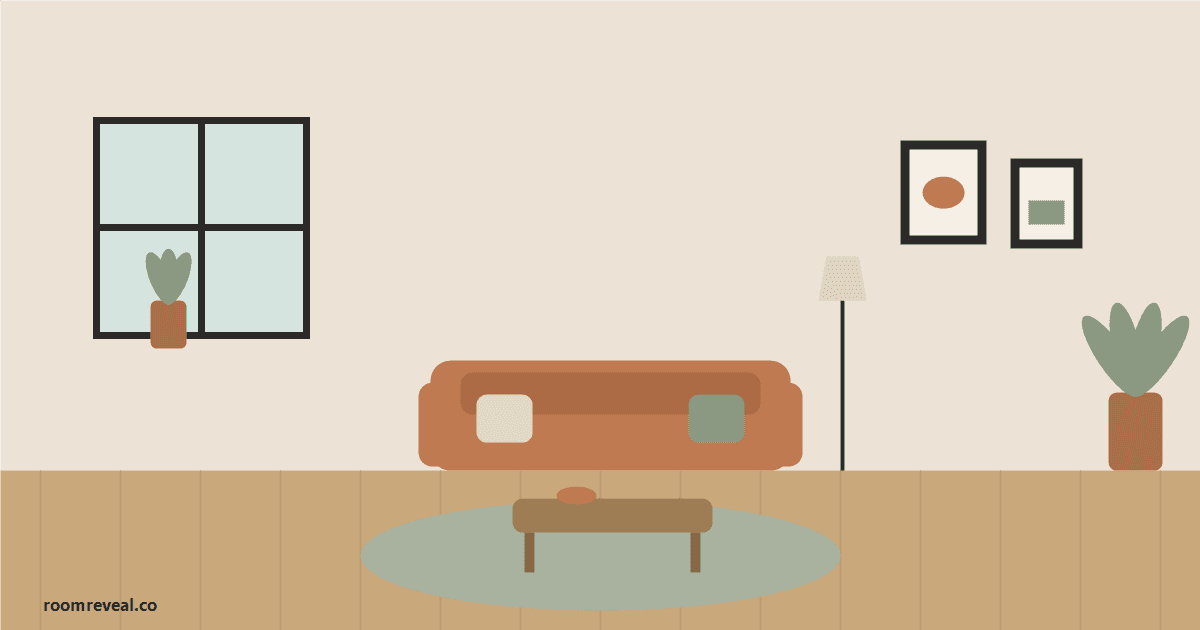
What defines a japandi basement
- •A warm, muted palette of greige, oatmeal, soft black, and natural wood
- •Low-profile, clean-lined furniture in quality natural materials
- •Deliberate negative space and a clutter-free, carefully edited layout
- •A balance of light Scandinavian wood with darker Japanese accents
Japandi Basementideas & tips
- Keep the floor plan open and low — choose a low sofa or floor seating to suit the lower ceiling.
- Combine pale wood with a few matte-black or dark-stained elements for japandi contrast.
- Hide storage behind simple cabinetry so surfaces stay calm and uncluttered.
- Use warm, diffused, layered lighting — paper-shade lamps and recessed warmth, never harsh.
- Add one or two sculptural plants and natural textures like linen, stoneware, and wool.
Color palette
Greige, oatmeal, and warm white with soft black accents over pale oak and walnut.
Mistakes to avoid
- ×Letting the basement become storage overflow — japandi depends on a truly edited, clutter-free space.
- ×Mixing too many wood tones instead of a deliberate light-plus-dark pairing.
- ×Choosing cool, stark minimalism with no warmth, which tips it from japandi into cold modern.
Try a japandi look in your basement
Upload a photo and see your space restyled in seconds — before you spend a dollar on furniture.
Transform My RoomFrequently asked questions
What is japandi style in a basement?
Japandi blends Japanese minimalism with Scandinavian warmth — natural materials, a muted palette, low furniture, and deliberate empty space. In a basement it creates a calm, spa-like retreat that feels intentional and restful rather than utilitarian.
What colors define a japandi basement?
Warm, muted neutrals — greige, oatmeal, and warm white — grounded by soft black accents and natural pale-and-dark wood tones. The quiet palette is central to the style's serene, grounded feeling.
How is japandi different from Scandinavian in a basement?
Both love light wood and simplicity, but japandi adds Japanese influence: darker accents, lower furniture, more deliberate negative space, and a slightly moodier, more grounded feel than the bright, purely cozy Scandinavian look.