Industrial Style Explained: Origins, Hallmarks, and How to Get the Look
What is industrial interior design? A complete guide to its factory-loft origins, the raw materials and hallmarks that define it, a working palette, common mistakes, and how to get the look at home.
Room Reveal Team
June 25, 2026
Industrial style is what happens when a building stops hiding how it's made. Exposed brick, bare ductwork, raw steel, weathered wood, and concrete are treated as the finish rather than something to cover up. It's the look of a converted factory or warehouse loft -- unpolished, honest, and a little rugged -- and it has become one of the most enduring design languages for apartments, lofts, cafes, and homes that want character without fuss. This guide explains where industrial design came from, the hallmarks that actually define it, the palette and materials that make it work, the mistakes that make it feel cold, and how to get the look even in a conventional room.
What Is Industrial Interior Design?
Industrial style traces directly back to the early 20th century, when factories and manufacturing buildings were built for pure utility -- big open floors, tall windows for light, exposed structure, and durable materials chosen to take a beating. Decades later, as manufacturing moved out of city centers, those empty warehouses and factories were converted into living and working spaces. Rather than drywall over the brick and box in the pipes, early loft dwellers left the bones exposed, and a style was born from necessity and budget as much as taste.
That origin is the key to the whole look: industrial design celebrates structure and raw materials instead of concealing them. Where traditional style ornaments and modern style smooths everything clean, industrial leaves the brick rough, the metal unpainted, and the wood scarred. The beauty comes from utility, patina, and honesty -- a space that looks worked-in and built to last rather than decorated.
The Hallmarks That Define Industrial Style
1. Exposed structure and raw materials
The signature move is leaving the building's bones visible: exposed brick walls, bare ceiling beams, ductwork and pipes left on show, and concrete floors or walls. Nothing is boxed in or smoothed over. These raw surfaces are the decoration, so the materials themselves carry the room.
2. A foundation of metal and reclaimed wood
Industrial interiors pair hard metal -- black steel, iron, aged brass, galvanized surfaces -- with warm, weathered wood, often reclaimed or distressed. The contrast between cold metal and worn timber is the core tension of the style: a steel-frame table on a salvaged-wood top, or pipe shelving against a brick wall.
3. A neutral, muted palette
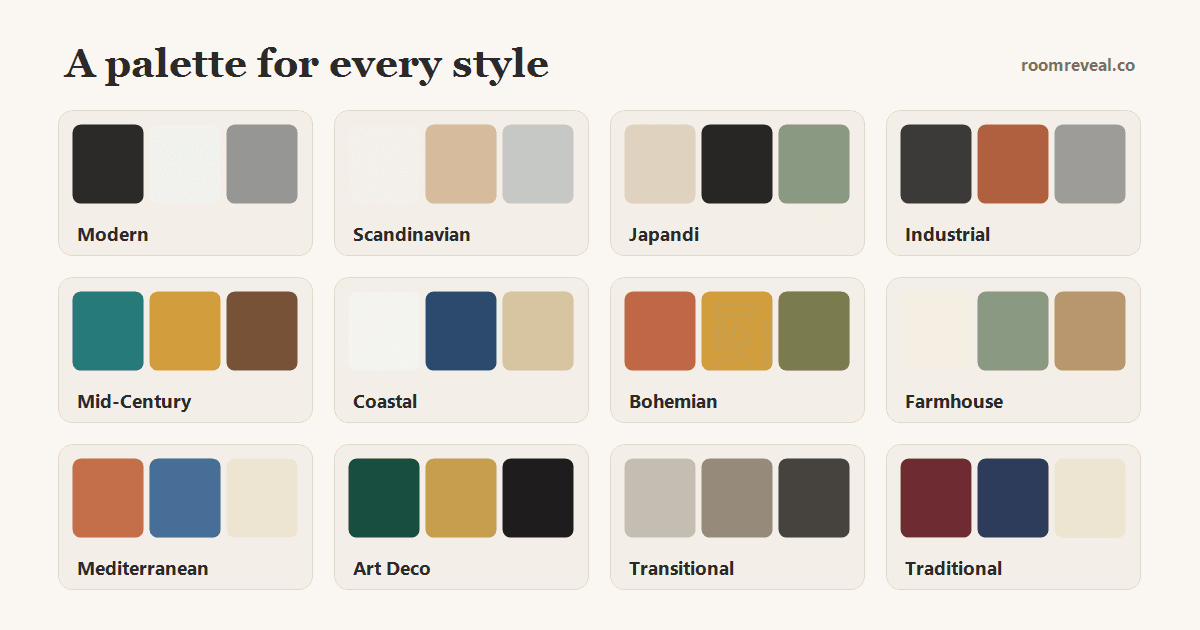
Color stays grounded and subdued: the grays of concrete and steel, the rusty reds and browns of brick and leather, black accents, and the natural tones of aged wood. It's a palette drawn straight from the materials rather than applied on top of them, which is what keeps the look cohesive and grounded.
4. Utilitarian, oversized fixtures and furniture
Furniture leans practical and sturdy -- leather sofas, metal stools, factory carts, workbench-style tables. Lighting is a star: oversized pendants, caged bulbs, articulated task lamps, and Edison-style filament fixtures that look like they belong in a workshop. Pieces are chosen for function and presence, not delicacy.
5. Open, airy volume
Industrial style loves height and openness -- tall ceilings, big windows, open floor plans, and few walls. The roominess that came standard in old factories is part of the aesthetic, so the style favors letting space breathe over filling it.
The Industrial Palette
The industrial palette comes straight out of the materials. Build on a base of concrete and steel grays, charcoal, and black for graphic weight, then warm it with the rusty reds, terracottas, and browns of exposed brick, aged leather, and reclaimed wood. Metals run dark and matte -- black iron, gunmetal, aged brass -- rather than polished and shiny. Because the brick, wood, and metal already carry plenty of color and texture, accents stay restrained: a deep green, oxblood, or muted ochre in a leather chair or a piece of art is usually enough. The discipline is to let the raw surfaces do the talking rather than painting over them with a decorative color scheme.
How to Get the Look in Any Room
- Expose what you can, fake what you can't. If you have real brick, beams, or concrete, leave them bare. If you don't, a single brick-veneer or concrete-look accent wall and a few honest raw materials capture the spirit without a gut renovation.
- Mix metal with weathered wood. Pair black steel or iron with reclaimed or distressed timber -- pipe shelving, a steel-and-wood table, metal-framed stools -- so the cold-and-warm contrast reads clearly.
- Make the lighting a statement. Swap soft, hidden fixtures for oversized pendants, caged bulbs, or filament-style lamps; industrial lighting is meant to be seen.
- Anchor with a leather piece. A worn leather sofa or chair adds warmth and patina that keeps the hard materials from feeling sterile.
- Keep the palette muted and material-driven. Stay in grays, browns, black, and rust, and let the surfaces supply the color instead of bright paint.
- Choose practical, sturdy furniture. Favor robust, utilitarian pieces -- metal, solid wood, factory-style forms -- over anything delicate or ornate.
- Leave room to breathe. Don't over-fill; the openness and volume are part of the look, so edit furniture down and let the space feel loft-like.
Common Industrial Style Mistakes
The biggest pitfall is letting industrial tip into cold and unwelcoming -- all concrete, steel, and hard edges with nothing soft to land on. The fix is to layer in warmth: a worn leather sofa, a chunky wool throw, a vintage rug, plenty of warm wood, and soft lighting so the raw materials feel lived-in rather than stark. The second mistake is treating "industrial" as a theme to buy in a kit -- filling the room with mass-produced "factory-style" props until it reads like a chain restaurant; instead, collect genuine, characterful pieces with real patina and let them be sparse. The third is over-cluttering the open volume that makes the style work; resist filling every wall and corner, because the airy, loft-like spaciousness is doing as much for the look as the brick and metal.
See It in Your Own Room
The easiest way to judge whether industrial suits your space is to see it applied to a room you already know. Upload a photo and preview it restyled with Room Reveal -- test an exposed-brick accent wall, metal-and-wood furniture, and statement lighting until the space reads rugged but warm. For room-specific inspiration, browse our industrial living room ideas and industrial bedroom ideas, or see how the look adapts to a workspace with industrial home office ideas. And if you're still weighing your options, our guide to 12 interior design styles places industrial design in context alongside its neighbors.
Ready to transform your room?
Upload a photo and see it redesigned in any of our 12 styles.
Try Room RevealLooking for inspiration? Browse style-by-room ideas with tips, palettes, and looks to try in your own space.
Explore room ideas