Budget Room Makeovers: High Impact, Low Cost
You don't need a renovation budget to transform a room. Here are the highest-impact, lowest-cost makeover moves -- ranked by return -- to refresh any space for a fraction of what you'd expect.
Room Reveal Team
June 24, 2026
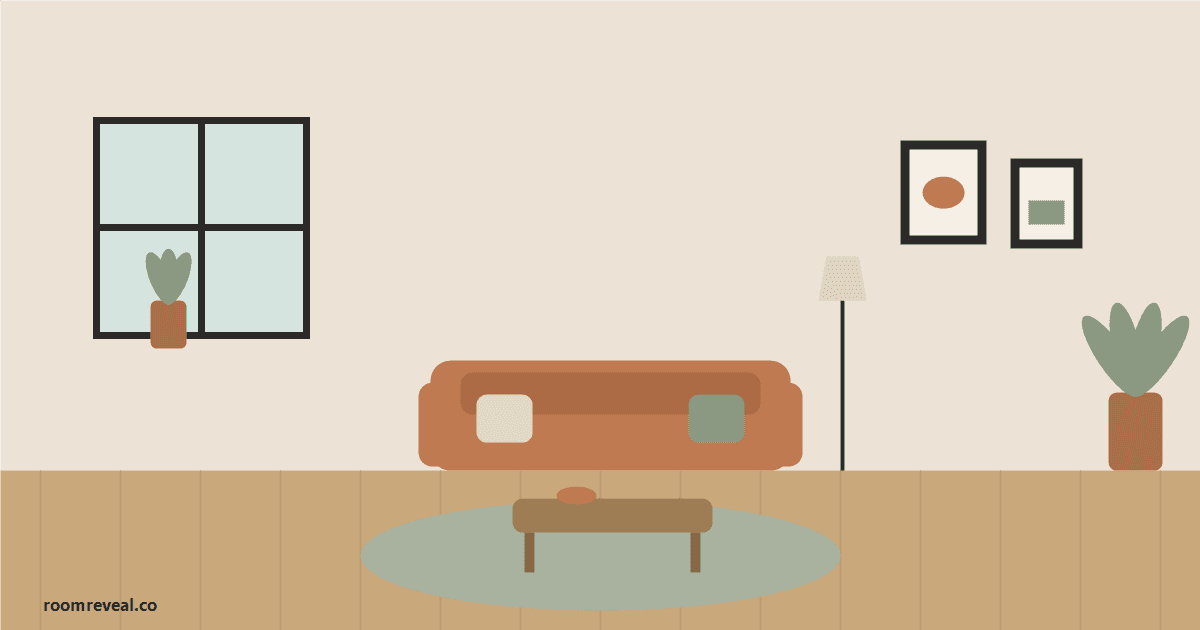
There's a stubborn myth that making a room look good costs a lot of money. Scroll through enough before-and-afters captioned "full gut reno" and it's easy to conclude that a tired room needs new floors, new cabinets, and a five-figure budget to ever feel fresh again. In reality, the gap between a room that feels dated and one that feels designed is usually a few hundred dollars of well-aimed effort -- not a renovation.
The secret to a budget makeover isn't being cheap. It's being strategic: spending your limited money and time where it returns the most visible change, and refusing to spend it where it won't show. This guide ranks the makeover moves by impact-per-dollar, so you can start at the top, stop whenever your budget runs out, and still end up with a room that looks like it cost far more than it did.
Start With the Free Moves -- They Beat Most Purchases
Before you spend a single dollar, exhaust the changes that cost nothing. These routinely out-perform expensive purchases, because clutter and bad arrangement undermine even the nicest furniture.
- Declutter ruthlessly. Removing a third of what's on your surfaces and floor is the single most transformative thing you can do, and it's free. A pared-back room instantly reads as calmer, larger, and more intentional.
- Rearrange the furniture. Float seating off the walls, angle it toward a clear focal point, and open up the walking paths. A new layout can make a room feel brand new without a cent spent.
- Deep clean everything. Wash the windows, dust the corners, wipe the baseboards and switch plates. "Clean" is the cheapest luxury signal there is -- a spotless room photographs and feels dramatically better.
- Shop your own home. Move a lamp, a rug, a chair, or a piece of art from another room. A piece you're tired of in the bedroom can feel fresh in the living room.
Do these four things first and you'll often discover the room needed editing more than it needed money. Whatever budget you do have then goes much further on top of a clean, well-arranged base.
Paint: The Best Dollar-for-Dollar Change You Can Make
If you're going to spend on one thing, spend it here. Nothing else comes close to paint for transformation-per-dollar -- a gallon or two and a weekend can completely reset a room's mood.
- Repaint the walls. A fresh, current wall color erases years of scuffs and dated tones at once. Light, warm neutrals open a room up; a single moody accent wall adds drama for the price of a quart.
- Paint the thing you'd never think to paint. Tired oak cabinets, a dated vanity, a brick fireplace, or an old bookcase can be transformed with paint for a tiny fraction of replacing them. This is where the most jaw-dropping budget befores-and-afters come from.
- Refresh the trim and doors. Crisp white trim and a freshly painted interior door make the whole room read as maintained and deliberate.
- Test before you commit. Paint is cheap, but a repaint costs you another weekend. Sample your top colors -- and preview them -- before you buy gallons, because a color that looks perfect on the chip can turn cold or garish on a full wall.
Swap the Small Hardware and Fixtures
The little metal details in a room have an outsized effect on how current it feels, and they're cheap to change. Builder-grade and dated fixtures quietly age a space; swapping them is a high-leverage, low-cost upgrade.
- Cabinet knobs and pulls. New hardware in a current finish -- matte black, brushed brass, brushed nickel -- modernizes a kitchen or bathroom for the price of a nice lunch.
- Switch plates and outlet covers. Replacing yellowed plastic plates with clean new ones is nearly free and shockingly noticeable once it's done.
- A single statement fixture. Swapping one flat, dated ceiling light for a current pendant or flush mount draws the eye up and signals "recently updated."
- Faucets and a fresh bead of caulk. An inexpensive modern faucet plus crisp white caulk around a sink reads as a far bigger upgrade than it costs.
Lighting: Change How the Room Feels at Night
Most rooms are lit badly -- one harsh overhead fixture that flattens everything -- and fixing it is cheap. Lighting is mood, and mood is most of what "expensive" rooms are actually selling.
- Add layers with lamps. A floor lamp in a dark corner and a table lamp or two replace flat overhead glare with warm, dimensional light. This single move changes a room's evening feel more than almost anything.
- Match every bulb. Swap mismatched bulbs for one consistent warm-white temperature (around 2700K-3000K). Cohesive, warm light reads as "designed"; a patchwork of cool and warm reads as "rental."
- Add a dimmer. An inexpensive dimmer switch or a smart bulb lets you soften that harsh overhead instantly -- the difference between a kitchen and a candlelit one.
Textiles: The Cheapest Way to Add Warmth and Color
Soft furnishings deliver enormous personality for little money, and they're the easiest thing to change again later when your taste shifts.
- A bigger rug. A generously sized area rug grounds a room, hides tired floors, and adds color and warmth. Go larger than feels natural -- a too-small rug makes a space look cheaper, not bigger.
- Curtains hung high and wide. Full-length panels mounted close to the ceiling and extending past the window make walls read taller and windows larger, for very little outlay.
- Pillows and a throw. A few new cushion covers and one folded throw refresh a sofa or bed in minutes. Buying just the covers, not the inserts, stretches the budget further.
- Fresh bedding or a slipcover. Crisp new bedding remakes a bedroom; a slipcover rescues a worn but sound sofa for a fraction of replacing it.
The Finishing Layer: Greenery and Art
The last 10% is what separates a refreshed room from a finished one. A few healthy plants bring life, color, and a sense of permanence that furniture can't. And art doesn't have to be expensive -- a large framed print, a thrifted piece, or even a beautifully framed textile hung at eye level anchors a wall far better than a scatter of tiny frames. One generous, well-placed piece beats five small cheap ones every time.
Where NOT to Spend on a Budget
Knowing what to skip is half of staying on budget. On a tight makeover, avoid sinking money into big-ticket structural changes -- new flooring, replacing cabinet boxes, moving walls -- when paint, refinishing, and styling will get you 80% of the look for 10% of the cost. Don't buy trend-driven furniture you'll tire of; put boldness in the cheap, swappable layers (paint, pillows, art) and keep the expensive pieces neutral. And resist the temptation to buy lots of small decorative objects to "fill" the room -- they add cost and clutter at the same time, which is the opposite of what a budget makeover needs.
See It Before You Spend -- Especially on a Budget
Here's the catch with a tight budget: the margin for error is thin. When every dollar counts, a wrong paint color or a sofa that overwhelms the room isn't a minor annoyance -- it can wipe out your whole makeover fund. And imagination is a poor renderer; a color or layout that looks great in your head can fight your actual light and furniture once it's real.
This is where digital visualization earns its place in a budget workflow. Before you buy a can of paint or a rug, you can take a photo of the room you actually have and see a credible, photo-realistic version of it with a new wall color, a lighter palette, or a different layout -- and react to a real image instead of guessing. It's a particularly good way to decide which single high-impact change is worth your limited money: whether painting the cabinets really transforms the kitchen, or whether going lighter lifts a dim room. Treat it as a low-cost planning tool that de-risks the few purchases you can't easily return, not a replacement for measuring and sampling.
A Budget Makeover Checklist, in Priority Order
- Declutter, rearrange, deep clean, and shop your own home -- all free
- Paint the walls, and paint the surprising thing (cabinets, fireplace, a bookcase)
- Swap dated hardware, switch plates, and one tired light fixture
- Layer in lamps and match every bulb to a warm-white temperature
- Add a larger rug, high-and-wide curtains, and fresh pillows or bedding
- Finish with a few healthy plants and one generous piece of art
- Visualize the high-impact changes before you spend, so the money lands right
Work down that list and stop wherever your budget does -- each step stands on its own, and even the first few free moves will visibly lift the room. A great-looking space has never really been about how much you spend. It's about spending what you have where it shows, and skipping everything that doesn't.
Want palette and styling ideas that lean on affordable, high-impact pieces? Browse inspiration like Scandinavian living room ideas or bohemian bedroom ideas -- both build their look from light, layered, budget-friendly choices.
Want to see your room's makeover before you spend a dollar? Try Room Reveal to visualize a fresh color, palette, or layout in seconds and decide exactly where your budget should go.
Ready to transform your room?
Upload a photo and see it redesigned in any of our 12 styles.
Try Room RevealLooking for inspiration? Browse style-by-room ideas with tips, palettes, and looks to try in your own space.
Explore room ideas