Bohemian Style Explained: Origins, Hallmarks, and How to Get the Look
What is bohemian style? A complete guide to boho's free-spirited origins, the hallmarks that define it, a working palette, and how to get the layered look without the clutter.
Room Reveal Team
June 25, 2026
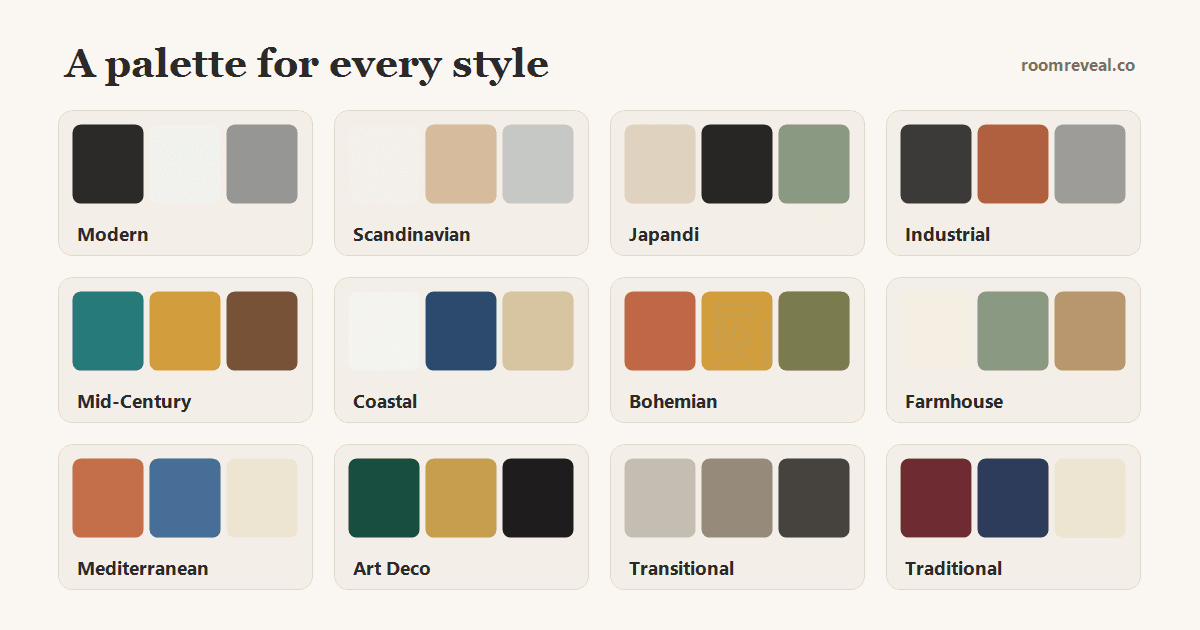
Bohemian style -- "boho" to most people -- is the look everyone thinks they understand and almost everyone gets slightly wrong. It reads as effortless: a sun-faded rug, a hanging plant, a low couch buried in mismatched cushions, a wall of woven baskets. But that easy, collected-over-years feeling is deceptively hard to fake. Pile on too much and it tips into clutter; hold back too far and it loses the soul that makes boho boho. This guide explains where the style came from, the hallmarks that actually define it, the palette and materials that make it work, and how to get the layered, lived-in look without your room reading as a thrift-store explosion.
What Is Bohemian Style?
Bohemian style takes its name from the "bohemians" -- 19th-century artists, writers, and wanderers in Paris who lived unconventionally and decorated the same way, surrounding themselves with art, textiles, and treasures gathered from travels rather than bought as a matching set. That free-spirited, anti-establishment root is the whole point: boho is the interior of someone who values experiences, creativity, and personal meaning over showroom polish and rules.
In practice, that makes it the most personal and least prescriptive of the major styles. Where modern or Scandinavian design is about editing down, bohemian is about layering up -- a warm, maximal, globally-influenced look built from color, pattern, plants, and pieces that each carry a story. The thing that separates a great boho room from a messy one isn't restraint so much as intention: every layer is collected and meaningful, not random.
The Hallmarks That Define Bohemian Style
1. Layered, well-traveled textiles
Textiles are the heart of boho. Kilim and Persian-style rugs (often layered two deep), a pile of mismatched-but-coordinated cushions, a Moroccan pouf, throws, tapestries, and a macrame wall hanging build the warmth and softness the style lives on. The mix looks gathered from many places and many years -- because, ideally, it was.
2. Natural materials and global craft
Boho leans hard on organic, handmade materials: rattan and cane, jute and seagrass, rough wood, terracotta, woven baskets, beaded and macrame pieces. The handmade, slightly imperfect quality matters -- it signals craft and human touch over factory polish, and it keeps the look earthy and grounded.
3. Plants, and plenty of them
Greenery isn't an accent in bohemian style; it's a structural element. Trailing pothos, a tall fiddle-leaf fig, hanging planters, and clustered pots bring life, texture, and a relaxed, jungle-ish abundance. A boho room without plants feels strangely empty -- they're half the personality.
4. A rich, warm, layered color story
Boho is unapologetically colorful, but the best versions are disciplined about it. Warm, earthy bases -- terracotta, rust, ochre, olive, deep teal -- get punctuated with jewel tones and the occasional bright. It reads as warm and saturated rather than neon, and the colors feel sun-faded and collected rather than freshly matched.
5. Mixed patterns and a relaxed, low profile
Confident pattern-mixing is a signature: ikat next to floral next to tribal geometric, tied together by a shared warm palette. Furniture tends to sit low and casual -- floor cushions, low sofas, poufs, a rug you can sprawl on -- reinforcing the unfussy, grounded, come-as-you-are mood.
The Bohemian Palette
The foundation is warm and earthy rather than bright white: cream, sand, camel, and warm browns set the base, with natural wood and rattan tones woven throughout. On top of that sit the saturated layers -- terracotta and rust, mustard and ochre, olive and forest green, deep teal, and jewel accents like garnet, plum, or sapphire in small doses. Black appears sparingly for graphic grounding. The trick is to keep the palette warm and let the colors feel slightly faded and sun-washed, as if they've aged together, rather than crisp and freshly coordinated. Avoid cool grays and stark whites as the base -- they drain the warmth that makes boho feel inviting.
How to Get the Look in Any Room
- Start with a warm, layered floor. Anchor the room with a patterned rug -- or two layered rugs -- in warm, earthy tones to set the whole mood from the ground up.
- Pile on textiles with intention. Mix cushions, throws, a pouf, and a wall hanging in patterns that differ but share a palette, so the layering reads as collected rather than chaotic.
- Bring in real plants -- lots of them. Cluster pots, add a trailing or hanging plant, and let one tall statement plant fill a corner. Greenery is non-negotiable here.
- Choose natural, handmade materials. Rattan, cane, jute, terracotta, and rough wood keep the look earthy; favor handmade and slightly imperfect over sleek and factory-finished.
- Keep furniture low and casual. A low sofa, floor cushions, and a relaxed coffee table reinforce the grounded, unfussy mood.
- Let every piece carry meaning. Display travel finds, vintage objects, books, and art you actually love -- the personal, gathered quality is what separates boho from a generic look.
- Edit so it breathes. Leave some quiet surfaces and negative space so the layered pieces have room to be seen; abundance works only when it isn't wall-to-wall.
Common Bohemian Style Mistakes
The most common misstep is mistaking "boho" for "more is always better" and packing every surface until the room reads as clutter, not collection -- the fix is to edit, leave breathing room, and let each layer be intentional. The second mistake is buying a matching "boho set" all at once, which kills the gathered-over-time quality the whole style depends on; collect gradually and mix sources instead. The third is letting the warm palette drift cool -- a few gray or stark-white pieces will quietly sap the cozy, sun-washed warmth that makes bohemian feel like a refuge. Get the warmth, the plants, and the intentional layering right, and the room reads as soulful rather than messy.
See It in Your Own Room
The fastest way to understand bohemian style is to see it applied to a space you already know. Upload a photo of your room and preview it restyled with Room Reveal -- experiment with layered textiles, warm earthy color, and a more relaxed, plant-filled arrangement until it feels collected rather than crowded. For room-specific inspiration, browse our bohemian living room ideas and bohemian bedroom ideas, or see how the look adapts to a workspace with bohemian home office ideas. And if you're still deciding between looks, our guide to 12 interior design styles puts bohemian design in context alongside its neighbors.
Ready to transform your room?
Upload a photo and see it redesigned in any of our 12 styles.
Try Room RevealLooking for inspiration? Browse style-by-room ideas with tips, palettes, and looks to try in your own space.
Explore room ideas